
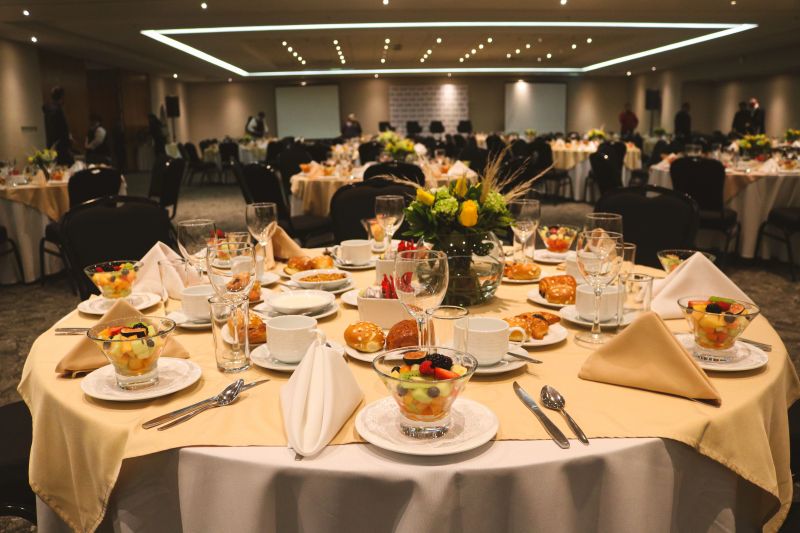
Every year during the Malaysian Palm Oil Conference in Kuala Lumpur, there was one evening I looked forward to most: dinner with customers from different markets, cultures, and backgrounds. Some were even competitors who rarely sat together back home.
Looking around that table felt deeply satisfying because I remembered how hard it had been to get through some of those doors.
Opening doors in new markets
When I started developing palm oil markets across the Mediterranean, the Black Sea, Africa, and beyond, nobody was waiting for me. Some potential clients would not even meet. They already had long-standing suppliers and multinationals.
Market development begins with confidence, then patience. You keep trying. One door opens, then another. Your performance with one client becomes the strongest introduction to the next. But performance alone is not enough.
Customers constantly tested my knowledge: Where is the market heading? What is happening with supply and demand? What could change its direction? I did not have to be right every time, but I had to understand the market, explain my reasoning, show both sides, and let the customer make the decision.
I also kept asking myself what I could learn for next time. Where did I go wrong? What should I watch? How could I do it better?
Adjusting to the market
The Mediterranean was not the Black Sea, and Africa was different again. Each had its own culture and way of building trust. You cannot expect the market to adjust to you; you have to adjust to the market.
Authority mattered too. I had the authority to act, decide, and drive. That decision space let me move when an opportunity appeared. It came with responsibility, but it also gave me speed.
On the relationship side, I never wanted to be just another supplier. Customers could reach me after hours or on weekends. If something was happening and they wanted to exchange views, I was there. Over time, you stop simply selling and become someone they rely on and call.
Market after market, I changed as well. I became faster at reading situations, better at understanding people, and more precise about when to push and when to wait. The first market was extremely difficult. The next taught me to avoid some mistakes. The next made me sharper. Experience became a method, and method became expertise.
The measure that stayed with me
Years later, at that dinner in Kuala Lumpur, I could see the whole journey: the closed doors, long flights, questions, calls after hours, decisions, and lessons. I would look around and think: this is the certificate. This is the final grade.
Not simply because I had sold into those markets, but because, after everything it took to get there, I had become part of them.